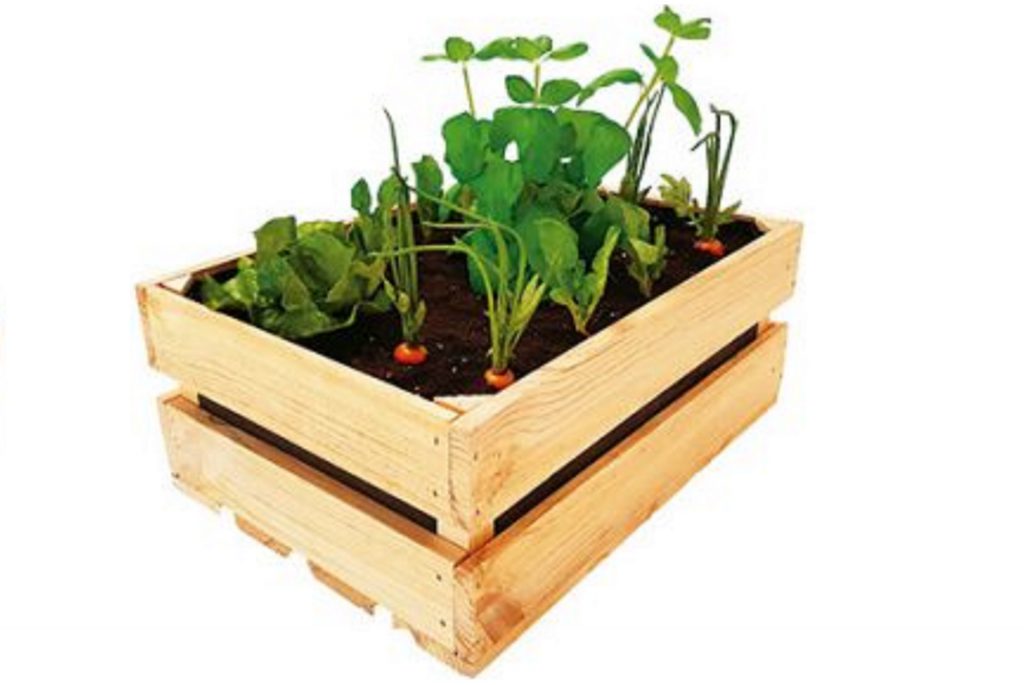
Urban gardens have grown remarkably. They are the trend in food revolution in recent years. However, this boom in the garden has numerous risks.
The advancement of urban gardens can pose certain problems and health hazards. One of them is that the soil used for cultivation can come from elements that are potentially toxic because they are close to an industrial area where there may be some type of discharge. Another risk is that it can be found near roads heavily traveled by vehicles or near landfills.
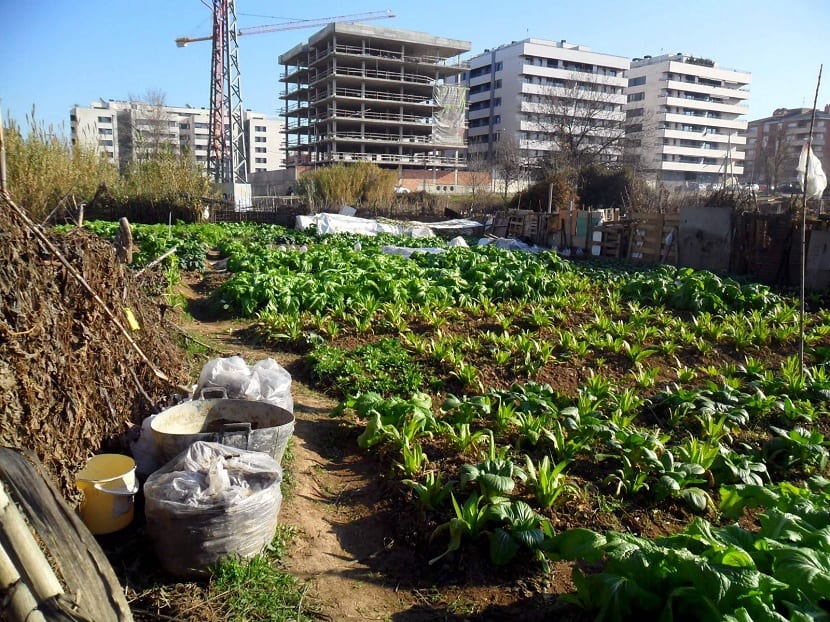
Source: www.renovablesverdes.com
All these situations prevent the urban garden from maintaining its optimal levels of quality and can present health risks due to contamination of crops.
Uncontrolled urban soils can harbor numerous pollutants such as petroleum products, heavy metals such as lead, pesticides, and industrial chemicals, especially on land near industrial areas, busy roads, and landfills. trash.
This causes the crops, during their growth, to absorb these dangerous substances and then ingest them by the consumer, affecting health. Pollutants usually accumulate in the stem, root and leaves of plants, but depending on each element and its behavior in the soil, it acts in one way or another.
Urban gardens without any type of control do not have appropriate conditions to avoid the risks mentioned above. For example, those crops planted in a greenhouse garden can avoid air pollution.
In order to extend urban gardens in a correct and healthy way, a preliminary analysis must first be carried out to evaluate the viability of the lands and the species that can be cultivated.
According to data from Ecologists in Action, in recent years a spectacular growth experienced by urban horticulture has been verified in large cities.
Diseases that can be caused by contaminated crops are usually at a fairly low level. In fact, a large amount would have to be consumed for it to have a toxicological effect.
The toxic substances of greatest concern are organic pollutants, such as polycyclic aromatic hydrocarbons or polychlorinated biphenyls (PCBs), while lead has moved to second place, among other reasons, because gasoline does not contain this element anymore.
Lead is still a pollutant to be concerned about, as it is a pollutant derived from road traffic such as copper or zinc. These organic pollutants do not transfer to plants as easily as inorganic pollutants do.
As the fertile soil of the planet continues to disappear, there will be no other option in the future than to plant in the cities. For this reason, urban gardens have become an educational tool and a perfect pastime for all ages.
The best option to have an urban garden as healthy as possible is to build the plots in places far from the roads, use organic matter to better fertilize the soil and adjust its pH, depending on the type of crop. As for the fruits, to consume them, it is better to remove the leaves, peel and wash them before ingesting them to avoid these risks of surface contamination. Self Reliance Kit becomes a perfect solution where you control the origin of the land, natural fertilizer from the same composting, production at kilometer 0 with all the guarantees.